
-

·
Three “Treatable CMT” Stories, and What the Market Taught Us
Three heavily publicized CMT treatments of 2019–2023 (govorestat, PXT3003 and Engensis) all ended without a CMT approval, and the way they ended says a lot about how drug development treats rare neuropathies.
-

·
CIDP and CMT
I’ve been interested in the diseases and disorders that can be mis-diagnosed as CMT (or vice versa) for a while. One that has come up a lot is Chronic Inflammatory Demyelinating Polyradiculoneuropathy (CIDP). CIDP can look like CMT cases where demyelination is prominent, usually the CMT variants that have been classified as Type 1/1A. In…
-

·
Maybe it will work on CMT..?
It seems the new hope for VM202 as a CMT1a treatment is perhaps Hellxmith’s latest attempt to find a market for an experimental product that has not panned out as hoped.
-

·
Nerve Tests Don’t Predict Quality of Life in CMT1A
In a study of adults with CMT1A, severe nerve-test results didn’t match up with quality of life, independence, or hand function. Nerve conduction tests say little about how you’re actually living with CMT.
-

·
Genetic Cause of CMT2 Discovered?
A recent study published in the Journal of Clinical Investigation looked at two unrelated families with CMT2 and identified “autosomal dominant mutations of the canonical Notch ligand Jagged1 (or JAG1)” in them — a likely cause for their CMT that was also backed up by experiments in mice. Update, October 2026: JAG1-related CMT now has…
-

·
CMT and Respiratory Dysfunction
Science is starting to confirm very wide ranging effects to the nerve damage CMT does, often slowly and over time so it may not be very noticeable for many years.
-

·
Second Phase 3 Clinical Trial for CMT1A “Pleodrug”
After the setback of having to do a second Phase 3 clinical trial, Pharnext’s ongoing drug trials for PXT3003 show positive results in people with CMT1A.
-
·
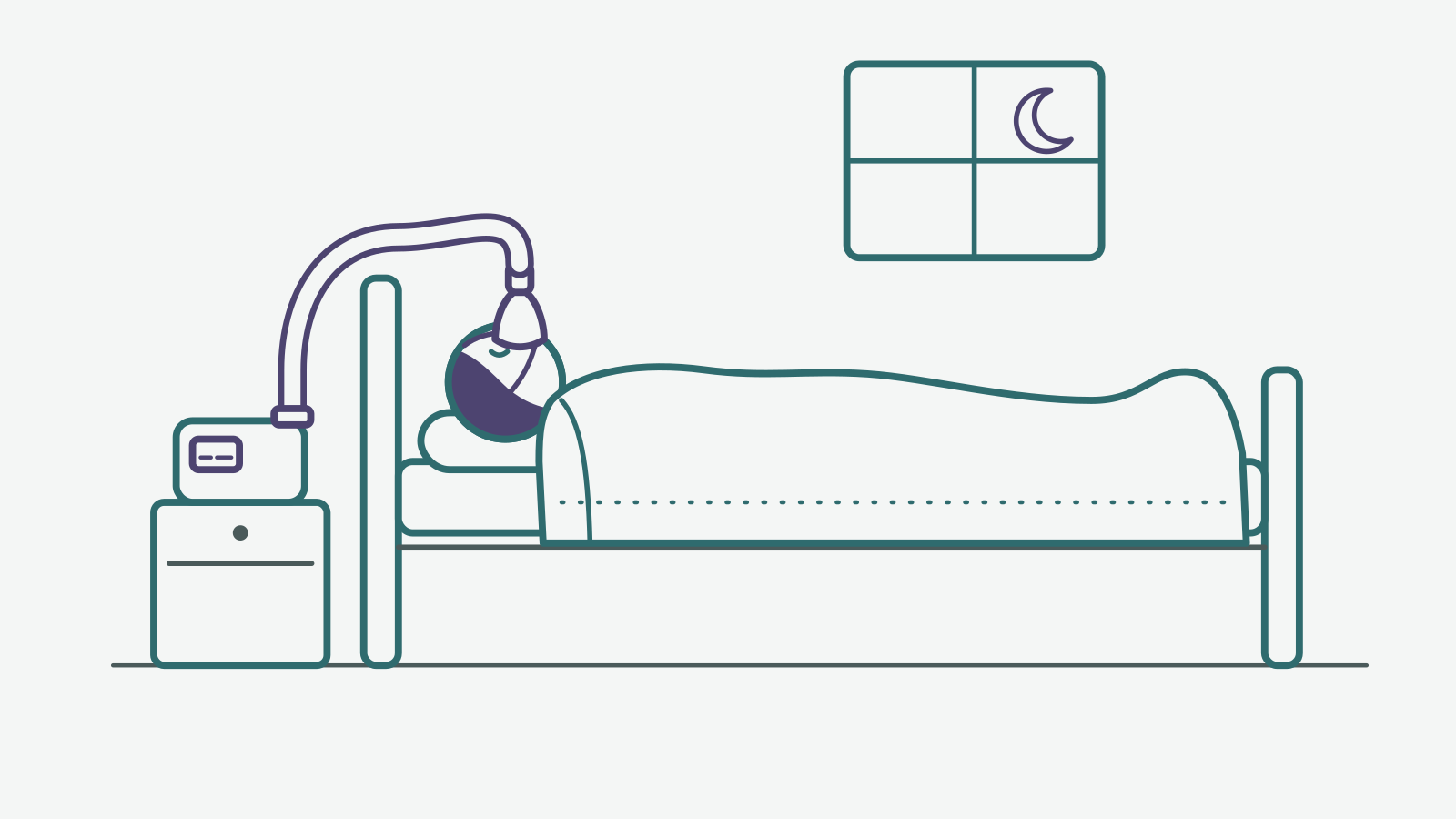
Sleep Apnea and CMT
Studies show CMT tends to come with Disturbed Sleep, Depression, and Reduced Quality of Life. 😞 This post summarizes the scientific research I’ve absorbed on the subject of CMT and sleep apnea. It’s definitely accurate relative to my own experience in the past year or so.
-

·
The State of Research for Cures (2019)
The US-based CMTA (Charcot Marie Tooth Association) has a 12-year-old program called the Strategy to Accelerate Research (STAR) that is actively pursuing the causes and possible cures for CMT. STAR will cover nearly all CMT Type 1s and 2s, including types with as yet unidentified genetic causes.
CMT1A
CMT1A, the most common type of CMT, is caused by an extra copy (duplication) of the PMP22 gene. More in the glossary