
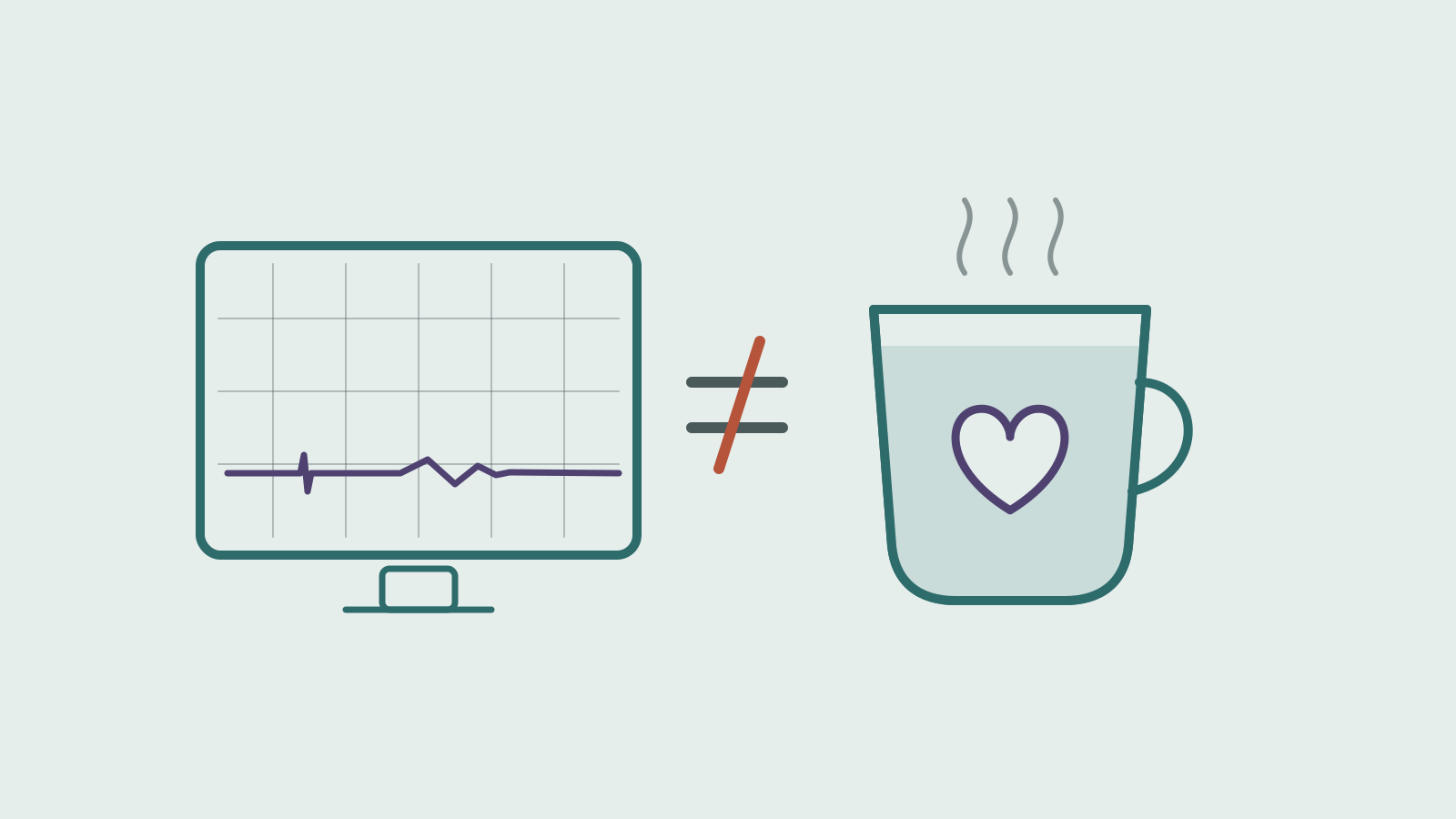
This is interesting — some researchers looked at CMT1A impairment of hand strength, mobility, and general functioning for its impact on health-related quality of life (HRQoL).
Even though the measurable electrophysiological impact of CMT1A was severe in this group of 33 adults, the study found no correlation between that impairment and quality of life, independence in daily activities, or hand function, which remained relatively preserved — perhaps given the ways you can learn to compensate. The authors conclude that nerve conduction follow-up tells us little about quality of life and everyday function in CMT1A (Reynaud et al., 2021). Well-being, including depression and fatigue, was measured this way:
The impact of CMT on well-being was assessed with the Medical Outcomes Study Short Form 36 (SF-36), Beck Depression Inventory, and the Fatigue Severity Scale.
I imagine the results might be different for someone who lost a particular skill or who really wanted to be doing something that CMT made more difficult if not impossible.
Leave a Reply