
-
·
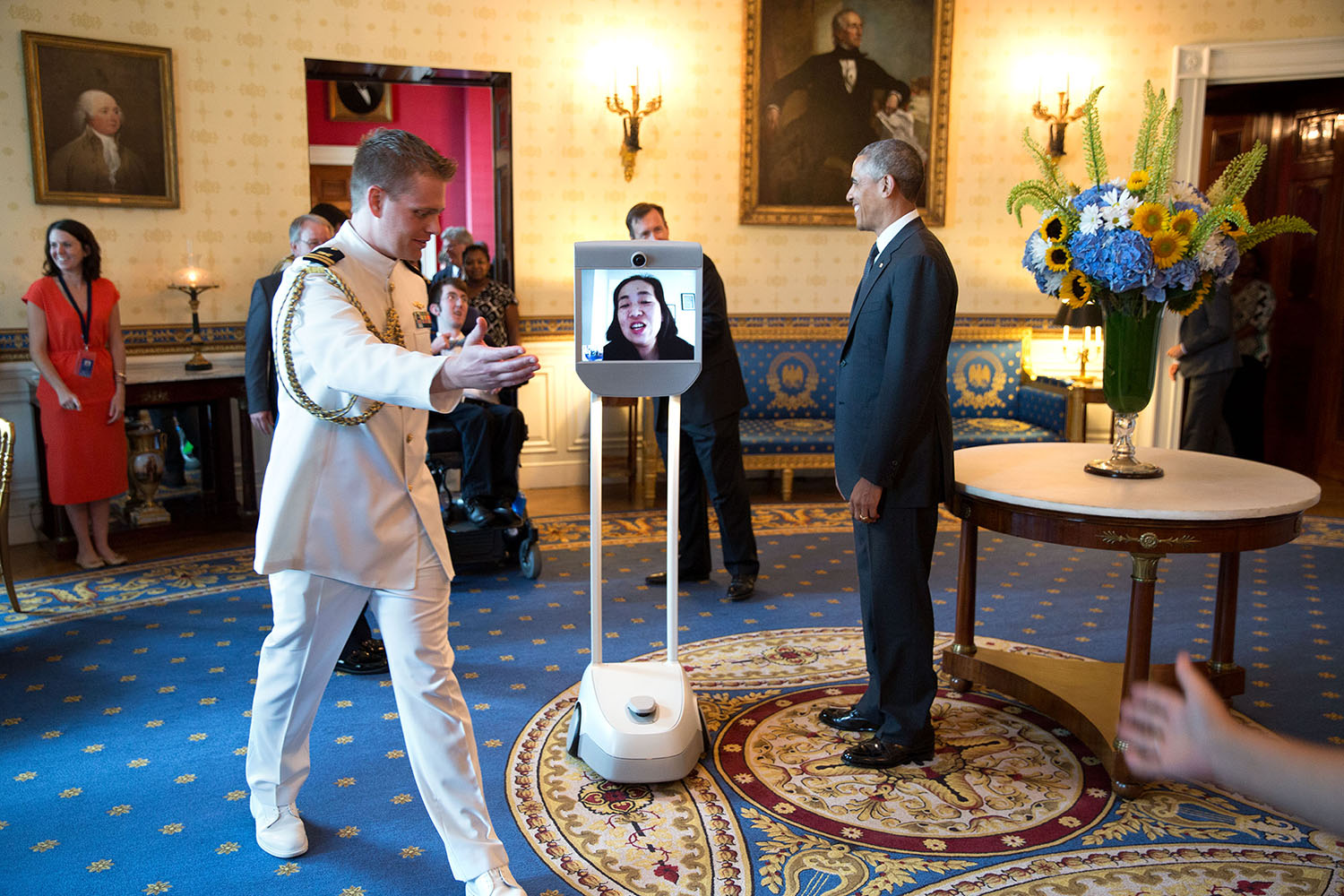
Alice Wong: Our Stories Belong to Us
Alice Wong, who had SMA, built the Disability Visibility Project and #CripTheVote so disabled people could tell their own stories. Why it matters for CMT.
-

·
Shark Tooth: The CMTA’s Stake in a Board Member’s Biotech
In 2025 the CMTA held a $248,763 stake in a for-profit CMT1A company controlled by one of its own directors, built from donations earmarked for it. The audit says that director recused himself. Nothing explains the rest.
-
·
Who Is Behind the CMTA?
The people deciding who gets the CMTA’s research money are largely the people getting it. A look at the charity’s staff, boards, tax returns and grants, from its own pages and IRS filings.
-

·
The Sloth’s Taxonomy: A Review of “Experts in CMT”
Experts in CMT stretches a contested CMT taxonomy wider, brands its uncredentialled author an expert, and cites his employer, the CMTA, without disclosing it as such.
-

·
Barbies and Warriors: How the CMTA Sells CMT
“CMT Barbie,” “CMT warriors,” a CBD sponsor, an Amazon store with a commission, and an unproven oxygen therapy that can cost thousands. An exposé of how the US-based CMTA markets CMT, in its own words.
-

·
Three “Treatable CMT” Stories, and What the Market Taught Us
Three heavily publicized CMT treatments of 2019–2023 (govorestat, PXT3003 and Engensis) all ended without a CMT approval, and the way they ended says a lot about how drug development treats rare neuropathies.
-

·
How the CMTA Mishandles Moderation and Its Facebook Community
A CMTA Facebook moderator I’d blocked got me removed from the group, with no appeal. Years later, the CMTA still emails me after promising in writing to delete my records. Here’s the story, and what Canadian and US anti-spam and privacy laws say about it.
-
-

·
Anxious Dogs and People: Using AI to Make It Awkward
Throwing curveballs at ChatGPT gets the most interesting results. You start to see the “artificial” part of AI that often reflects an uncomfortable problem or ugly contradiction in the ways humans think and use language — especially to classify others, which always indicates status and value.
-

·
The Healthy Creative Balance: Between Unreason and Overthinking
“It seems that the key to creative cognition is opening up the floodgates and letting in as much information as possible.”
-

·
Crip Time
What would a calendar look like that prioritized and protected caregiving? What about one that understood … different types of relationships and the soft but consistent focus they demand? That understood creativity, and children, or grief? What would a family calendar look like that made its primary steward and their needs as visible as others?
-

·
Lord Grizzly
Here is one of the CMT-related poems I’ve written. There aren’t many. This was the first and is surely the longest. It’s in the long-line style of James Schuyler, who offered a really fun, liberating model a few 30/30s ago. The title nods to Frederick Manfred (AKA Feike Feikema) who wrote a historical-fictional account of…
-

·
The Problem With Writing About CMT
I’ve been increasingly irritated lately by US-based CMT-related non-profit organizations that seem to compete with each other for donations — supposedly they drive research for “treatments and cures.” How well they actually do this relative to the padding of their own budgets is a good question I might take up down the line, but you…
-

·
Book Review: Shades of Loneliness
Shades of Loneliness offers some insight into why we medicalize people and disorders we can’t integrate into society by normal means.
-

·
Video short on CMT – Rare Film Festival
This is a great, short video that explains the basics of CMT — made by students at the University of Greenwich for the first “Rare Film Festival,” put on by Rare Disease UK.
-

·
Reading (and Writing) about Disability
Over at Electric Literature, Robert Kingett recently reviewed a bunch of literary anthologies written by, for, and about disabled people. These are essays and fictional works from the young adult genre to dystopian science fiction.
Culture and Resistance
Art, literature, and critique: writing about disease, disability, and the institutions around them.
