
-

·
There is no such thing as standing, there is only being held up.
Friends reminded me of this great passage from a letter of Franz Rosenzweig to his sister: You know, you needn’t feel bad because you lack the power to ‘tell yourself the whole truth’, for once, for your own good. Believe me, no-one has this power; no-one can help themselves. Though the world is full of…
-

·
Physical and Emotional Pain Need Equal Attention in CMT and Polyneuropathy Communities
Alongside research for treatments and cures, the CMT community needs to take a hard look at some elephants in the room — the most common and most remnediable pains and struggles impacting our quality of daily life.
-

·
CMT, Depression, and Anxiety
It’s not surprising to learn from another study, more detailed than others I’ve seen (summarized at CMT News), that people with CMT were more likely than controls to screen positive for depression, especially with more severe versions of the disease, and many go “untreated.” “Untreated” in this case means “unmedicated,” and there is a lot…
-

·
What does it mean to consider yourself disabled?
Many of us can say both yes and no, feeling both as true and false.
-

·
The Healthy Creative Balance: Between Unreason and Overthinking
“It seems that the key to creative cognition is opening up the floodgates and letting in as much information as possible.”
-

·
Crip Time
What would a calendar look like that prioritized and protected caregiving? What about one that understood … different types of relationships and the soft but consistent focus they demand? That understood creativity, and children, or grief? What would a family calendar look like that made its primary steward and their needs as visible as others?
-

·
CMTA Toronto Upcoming Events • CMT Awareness Month • Learning to slow down and attend to your needs • Existential anxiety
Archived: this event has passed. The CMTA no longer lists a Toronto chapter; its branch directory now lists Eastern Canada and Western Canada branches. The Toronto chapter of the CMTA has regular meetings and events that can be joined remotely with Zoom. On Saturday, September 24 from 1-3pm EDT their guest speaker will be Shannon…
-

·
Asking for the ADA Suite
The hotel receptionist said there was a generator running near my room. In fact there was a giant truck with a generator and air conditioning system running 24/7 right outside the ADA room’s door to cool the whole building I’d be in. He said go check it out a few minutes and come back if…
-

·
How long can you afford to hide it?
It’s too much trouble and humiliation to explain and ask for a little help or tolerance when hiding a disability and lumping it is how you’ve learned to cope best. That’s not a good psychological place to be in, long-term, and I can see how it’s not going to serve well post-40s.
-
·
Disease, Depression, and Family Denial
CMT and other hideable/hidden diseases may often be denied by the people closest to you — a potentially devastating, psychologically defeating, and depressing, gaslit reality that is toxic and abusive.
-
·
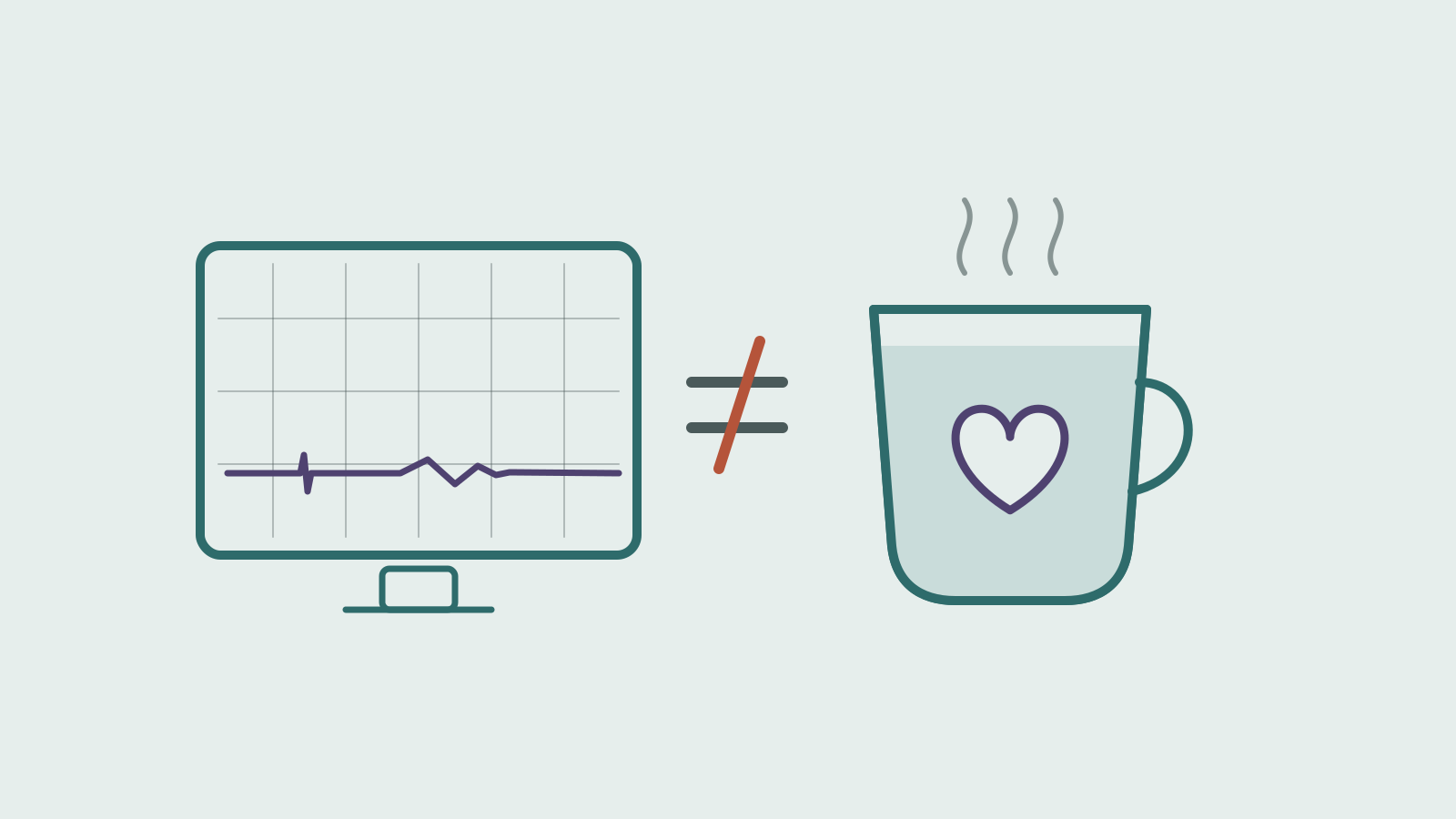
Nerve Tests Don’t Predict Quality of Life in CMT1A
In a study of adults with CMT1A, severe nerve-test results didn’t match up with quality of life, independence, or hand function. Nerve conduction tests say little about how you’re actually living with CMT.
-

·
Dining in the Dark
Blind dining means you enter a restaurant that is completely pitch dark from beginning to end, and you are served by a waitstaff who are literally blind.
-
·
Book Review: Shades of Loneliness
Shades of Loneliness offers some insight into why we medicalize people and disorders we can’t integrate into society by normal means.
-

·
Reading (and Writing) about Disability
Over at Electric Literature, Robert Kingett recently reviewed a bunch of literary anthologies written by, for, and about disabled people. These are essays and fictional works from the young adult genre to dystopian science fiction.
Mind, Family, and Identity
Mental health, family, disability, and living in a body other people misread.