Outcome Measures
The scales and tests used to measure CMT severity and progression in clinics and trials, such as the CMT Neuropathy Score. More in the glossary

-
·
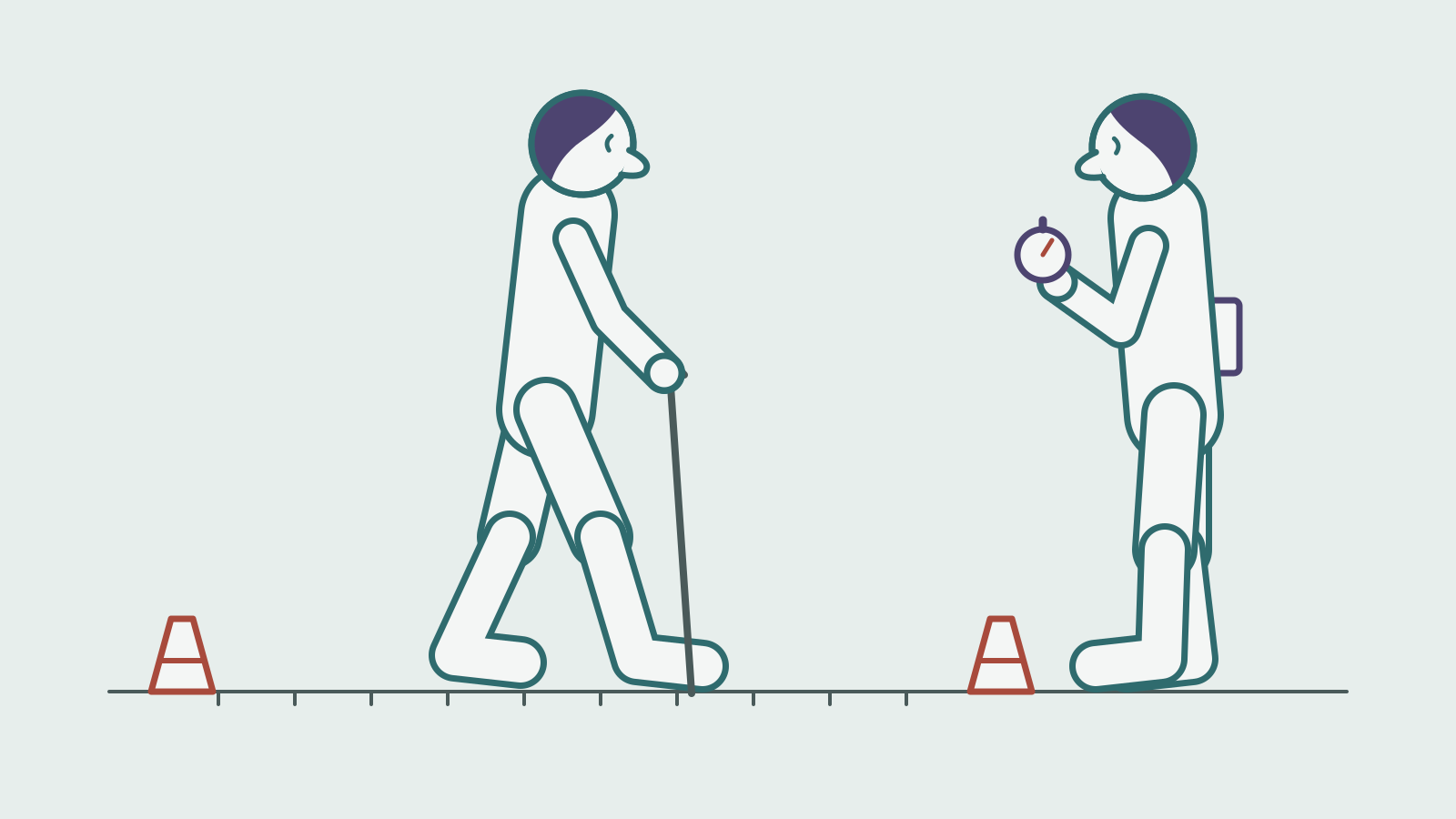
Better Diagnostics and Assessment for CMT Progression
Why CMT trials keep stumbling on measurement, and where the tools for tracking progression stand in 2026: CMTNS and CMTES, CMT-FOM, the CMT Health Index, muscle MRI, nerve ultrasound and blood biomarkers like NfL.
-
·
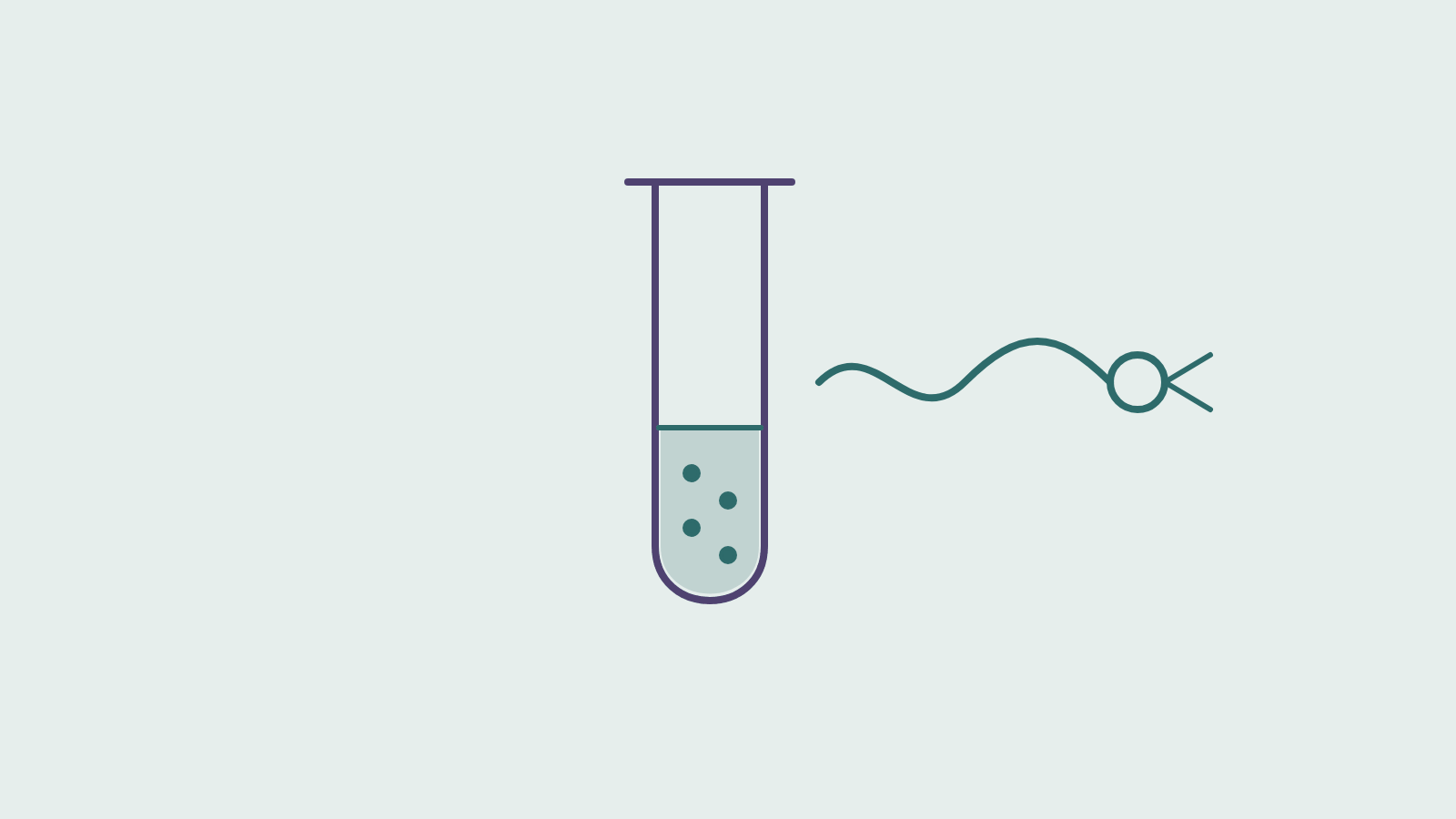
Plain-Language Research Summary: A Blood Test for Nerve-Fibre Loss in CMT
A 2025 study found the nerve-damage protein NfL more than twice as high in the blood of people with CMT, and loosely linked to severity. What it shows, what it can’t, and how it fits with earlier studies.
-

·
Physical Assessments for CMT
The scales clinicians use to score how much CMT affects someone, from the CMTNS and CMTES to the CMT-FOM, ONLS, gait analysis and the CMT Health Index.
-

·
Nerve Tests Don’t Predict Quality of Life in CMT1A
In a study of adults with CMT1A, severe nerve-test results didn’t match up with quality of life, independence, or hand function. Nerve conduction tests say little about how you’re actually living with CMT.
-

·
Second Phase 3 Clinical Trial for CMT1A “Pleodrug”
In 2020, after the setback of a second phase 3 trial, Pharnext’s PXT3003 looked promising in people with CMT1A. Updated in 2026: that trial failed to improve disability, and Pharnext was liquidated.