Disability
Living with CMT as a disability: identity, access, accommodation and how other people see disabled bodies.

-
·
An Open Invitation to CMT and Disability Voices on Bluesky: Please Bridge to the Fediverse
The people CMTers most need to hear from are on Bluesky but invisible to the fediverse. One follow fixes that. Here’s why it matters, and who I’m asking.
-
·
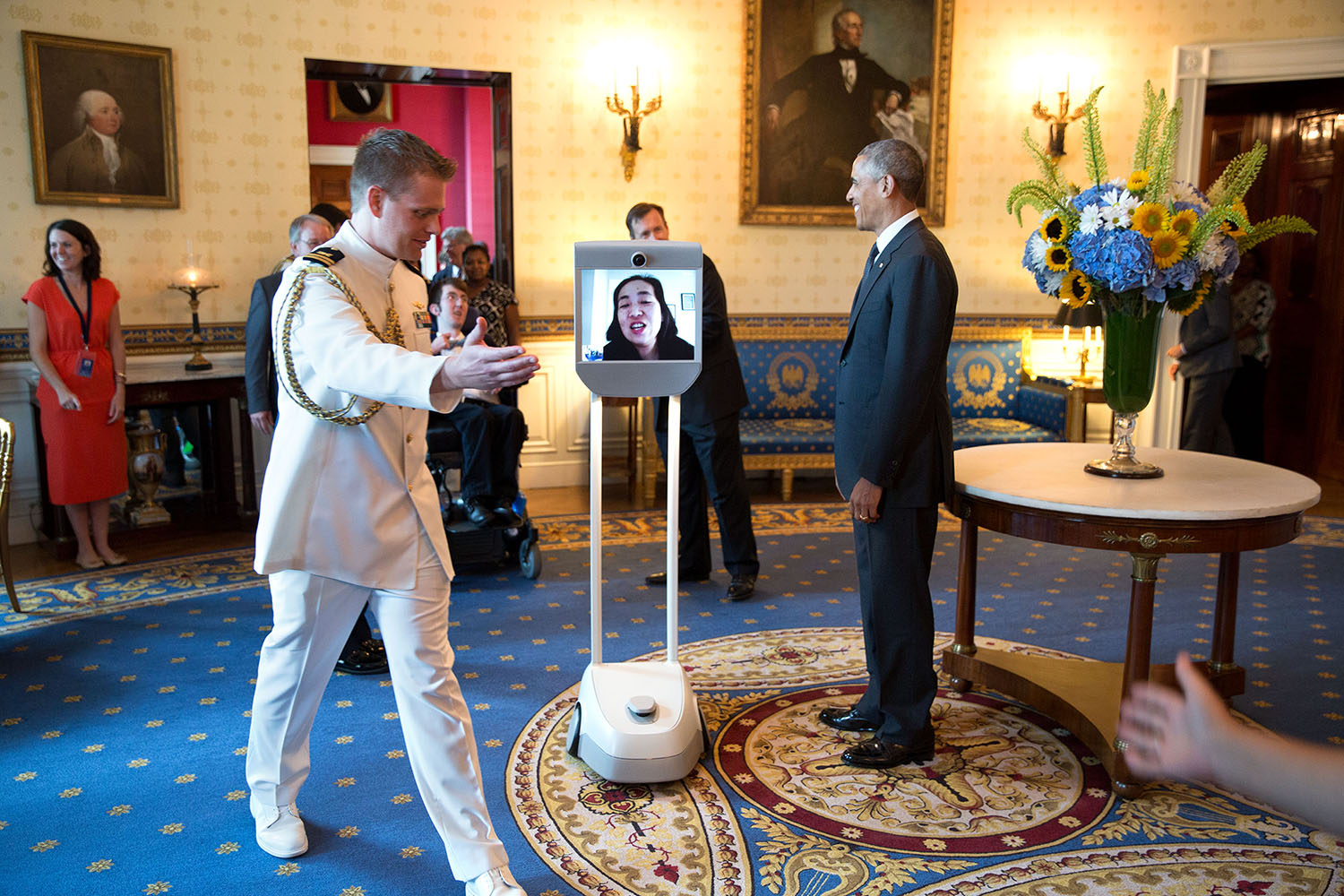
Alice Wong: Our Stories Belong to Us
Alice Wong, who had SMA, built the Disability Visibility Project and #CripTheVote so disabled people could tell their own stories. Why it matters for CMT.
-

·
Barbies and Warriors: How the CMTA Sells CMT
“CMT Barbie,” “CMT warriors,” a CBD sponsor, an Amazon store with a commission, and an unproven oxygen therapy that can cost thousands. A close look at how the US-based CMTA markets CMT, in its own words.
-

·
How the CMTA Mishandles Moderation and Its Facebook Community
A CMTA Facebook moderator I’d blocked got me removed from the group, with no appeal. For years after promising in writing to delete my records, the CMTA kept emailing me. Here’s the story, what the CMTA said when I formally asked again in 2026, and what Canadian and US anti-spam and privacy laws say about…
-
·
There is no such thing as standing, there is only being held up.
A passage from Franz Rosenzweig’s letter to his sister on why no one can save themselves, and how each of us is held up by the hands of our neighbours.
-
·
CMT, Depression, and Anxiety
An Italian registry study found people with CMT screen positive for depression more often than controls, and many go untreated. What else can help.
-

·
What Does It Mean to Consider Yourself Disabled?
Many of us can say both yes and no, feeling both as true and false.
-

·
The Healthy Creative Balance: Between Unreason and Overthinking
“It seems that the key to creative cognition is opening up the floodgates and letting in as much information as possible.”
-

·
Crip Time
What would a calendar look like that prioritized and protected caregiving? What about one that understood … different types of relationships and the soft but consistent focus they demand? That understood creativity, and children, or grief? What would a family calendar look like that made its primary steward and their needs as visible as others?
-

·
CMTA Toronto Upcoming Events • CMT Awareness Month • Learning to Slow Down and Attend to Your Needs • Existential Anxiety
Archived 2022 events from the CMTA’s former Toronto chapter, plus notes on CMT Awareness Month, slowing down, your needs, and existential anxiety.
-

·
Asking for the ADA Suite
The hotel receptionist said there was a generator running near my room. In fact there was a giant truck with a generator and air conditioning system running 24/7 right outside the ADA room’s door to cool the whole building I’d be in. He said go check it out a few minutes and come back if…
-

·
How Long Can You Afford to Hide It?
It’s too much trouble and humiliation to explain and ask for a little help or tolerance when hiding a disability and lumping it is how you’ve learned to cope best. That’s not a good psychological place to be in, long-term, and I can see how it’s not going to serve well post-40s.
-

·
Lord Grizzly
Here is one of the CMT-related poems I’ve written. There aren’t many. This was the first and is surely the longest. It’s in the long-line style of James Schuyler, who offered a really fun, liberating model a few 30/30s ago. The title nods to Frederick Manfred (AKA Feike Feikema) who wrote a historical-fictional account of…
-
·
Disease, Depression, and Family Denial
CMT and other hideable/hidden diseases may often be denied by the people closest to you — a potentially devastating, psychologically defeating, and depressing, gaslit reality that is toxic and abusive.
-

·
Late Diagnoses
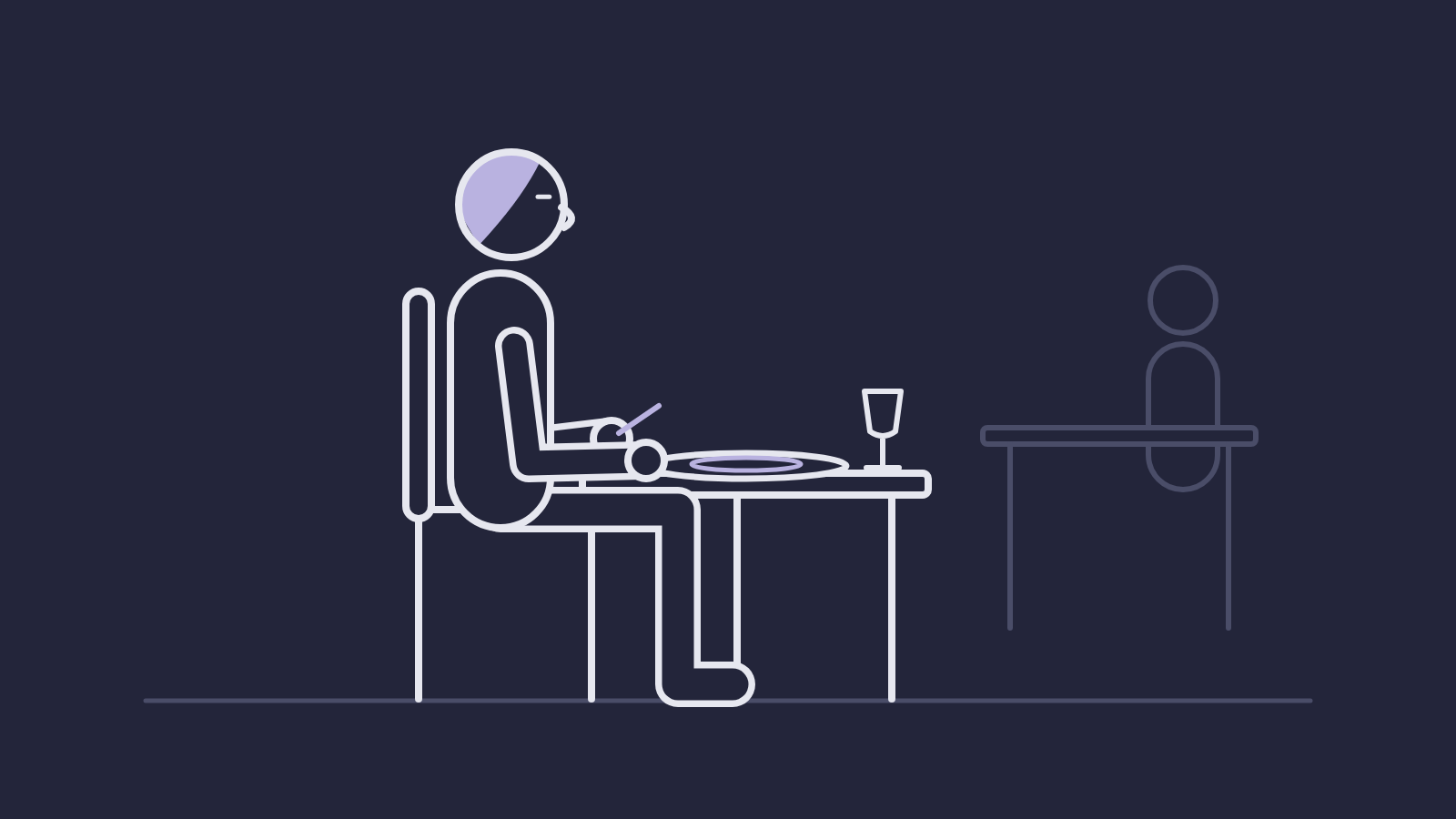
In the past the norm was we didn’t get a diagnosis, so family and friends just shrugged it off and called us “clumsy” or pretended nothing was wrong. I hope this is an outlier experience, but I was pushed into sports, like track and cross country, in high school when my feet and ankles became…
-
·
Dining in the Dark
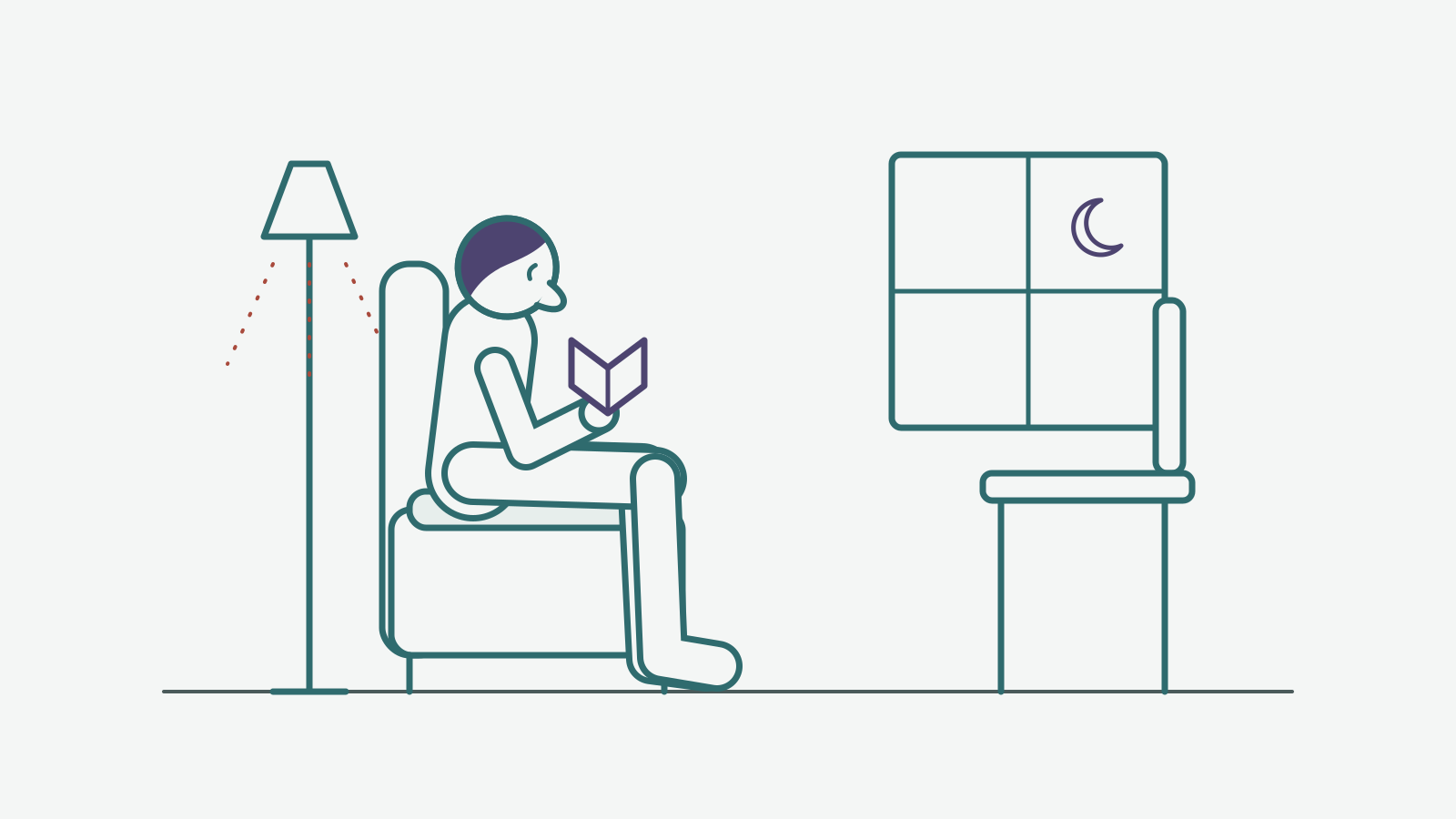
Blind dining means you enter a restaurant that is completely pitch dark from beginning to end, and you are served by a waitstaff who are literally blind.
-
·
Book Review: Shades of Loneliness
Shades of Loneliness offers some insight into why we medicalize people and disorders we can’t integrate into society by normal means.
-
·
Reading (and Writing) about Disability
Over at Electric Literature, Robert Kingett recently reviewed a bunch of literary anthologies written by, for, and about disabled people. These are essays and fictional works from the young adult genre to dystopian science fiction.