
Updated October 10, 2026: The original line “Other wind instruments will help too” isn’t supported by the evidence, so it has been replaced with what the didgeridoo trial and a 2020 systematic review actually found, plus a note that this is at most an add-on, not a substitute for CPAP or other prescribed treatment.
Simple ways to mitigate or avoid sleep apnea and its effects.
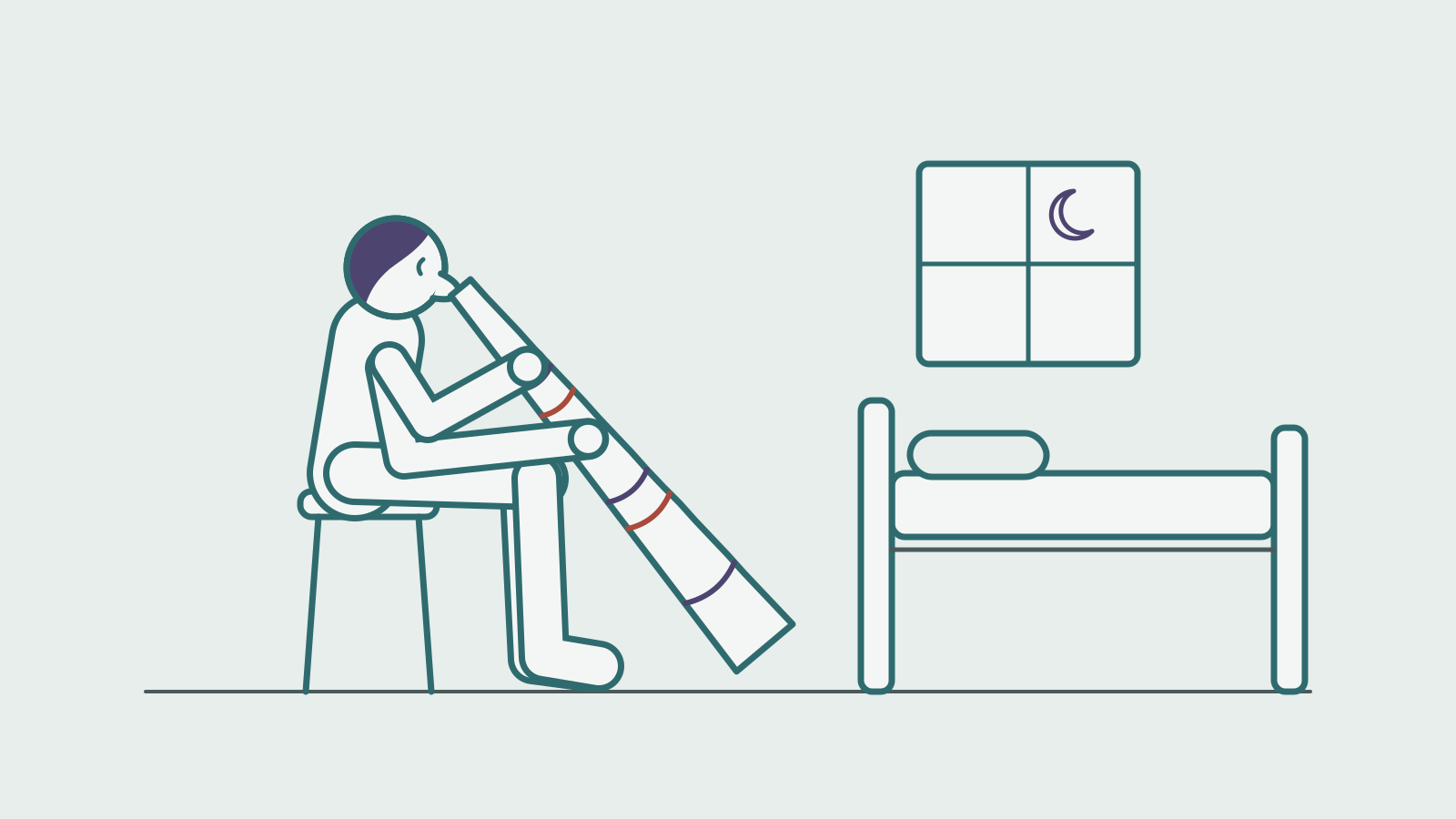
Some recent studies on obstructive sleep apnea got attention for concluding something fairly obvious — losing weight and reducing fat in the tongue might be the best treatment for OSA. Certain diets and cold sculpting might help, but “playing wind instruments and the Australian didgeridoo have shown promise as an alternative treatment for those who cannot manage a CPAP machine.” 😂

That didgeridoo trial was small, though: 25 adults with moderate obstructive sleep apnea who took lessons and practised at home, on average about 25 minutes a day on almost six days a week, for four months. Compared with a waiting-list group, they had less daytime sleepiness and a modest drop in their apnea-hypopnea index, and their partners reported less disturbed sleep. Sleep quality and overall quality of life didn’t change, and one of the authors was the didgeridoo instructor.1 A 2020 systematic review found only six studies of wind instruments or singing and sleep apnea, rated the evidence low certainty, and found the effect to be zero to small.2 So it isn’t established that other wind instruments, like the harmonica, will help, and none of this has been studied in people with CMT or with sleep-breathing problems caused by weak breathing muscles. Think of it as something that might help alongside the treatment your doctor recommends, not as a substitute for CPAP or other prescribed ventilation. Lots of little things can work together to improve your respiration and sleep, whether it’s affected by neuropathy or not.
Other Things You Can Do to Mitigate Sleep Apnea:
- Sleep on an incline wedge to keep your head elevated.
- Eat smaller meals.
- Stop eating early in the evening/after your evening meal. Do not eat close to your bedtime.
- Learn techniques for better breathing/coughing.
- Do breathing exercises (E.g. Bubble PEP therapy, Incentive Spirometer therapy, or play a wind instrument like a harmonica.)
- Do core strengthening exercises.
- Take CoQ10 supplements. (This is anecdotal advice, not an evidence-based treatment for sleep apnea.)
- Avoid or be cautious with medications that can depress breathing, such as opioids, benzodiazepines and other sedatives, and gabapentin — especially in combination. (See Health Canada’s warnings on gabapentin and serious breathing problems and on benzodiazepines taken with opioids.)
- Maintain a healthy weight.
- Stay as active as possible.
Have any of these practices helped your symptoms of CMT or sleep apnea? Let me know in the comments below.
Notes
- Puhan, Milo A., Alex Suarez, Christian Lo Cascio, Alfred Zahn, Markus Heitz, and Otto Braendli. 2006. “Didgeridoo Playing as Alternative Treatment for Obstructive Sleep Apnoea Syndrome: Randomised Controlled Trial.” BMJ 332 (7536): 266–70. https://doi.org/10.1136/bmj.38705.470590.55. ↩︎
- van der Weijden, F. N., F. Lobbezoo, and D. E. Slot. 2020. “The Effect of Playing a Wind Instrument or Singing on Risk of Sleep Apnea: A Systematic Review and Meta-Analysis.” Journal of Clinical Sleep Medicine 16 (9): 1591–1601. https://doi.org/10.5664/jcsm.8628. ↩︎
Leave a Reply